
How Yoga Breathing Can Help You Through Labour Contractions
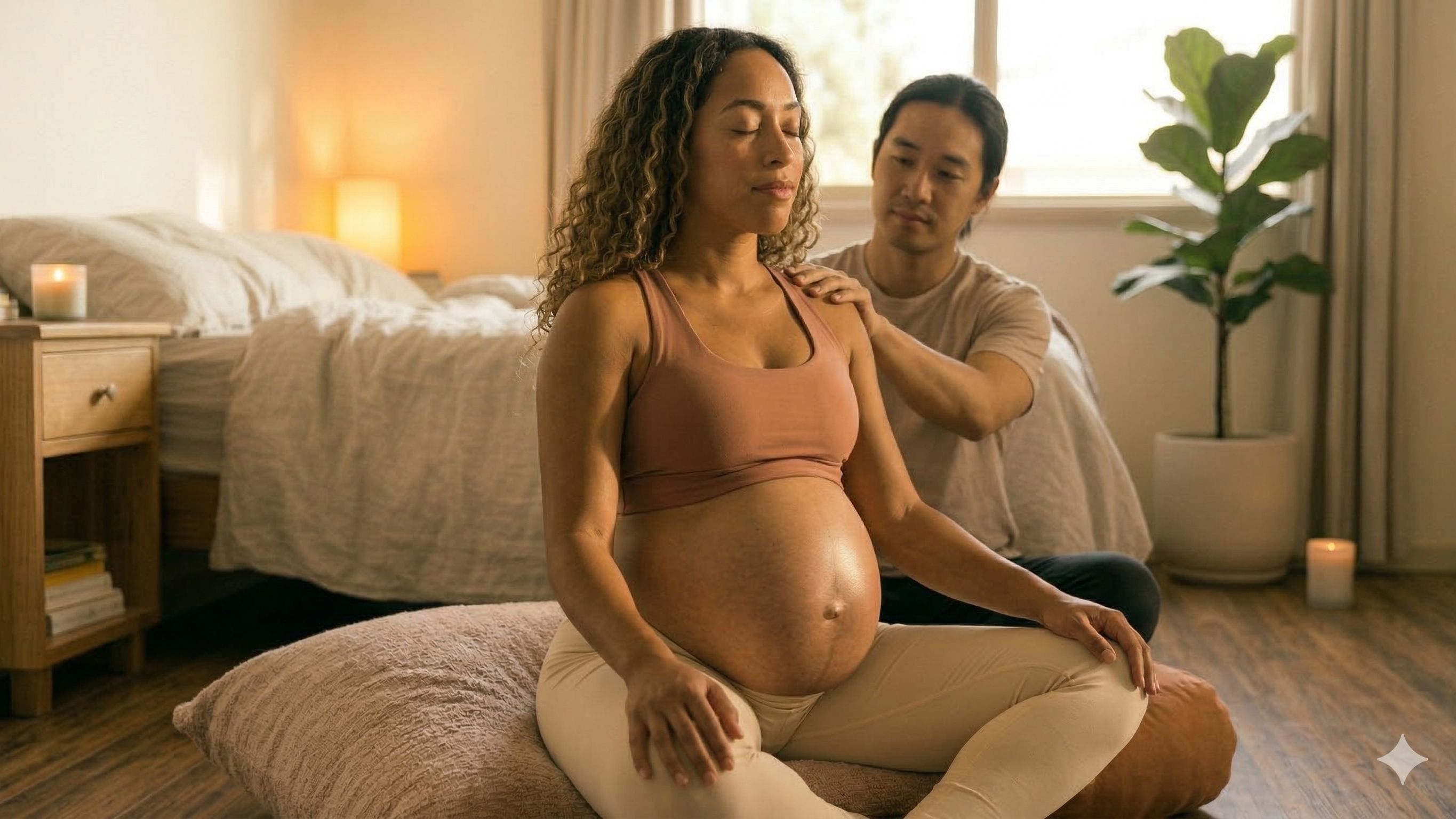
Hi there, beautiful mamas. As you move into the final weeks of pregnancy, one of the most powerful things you can do to prepare for birth has nothing to do with packing your hospital bag or choosing a playlist — it's learning to breathe. Consciously, intentionally, with purpose. Yoga breathing for labour is one of the most underrated tools in your birth toolkit, and today I want to share exactly how it can help you through contractions.
I've guided many mamas through their birth preparation, and again and again, the ones who have a breathing practice in their toolkit feel more grounded and confident when the big day arrives — not because breathing makes labour painless, but because it gives you something to anchor to when the intensity rises.
Why Breath Matters During Labour
During labour, your nervous system is working incredibly hard. Contraction pain can activate the fight-or-flight stress response — causing muscles to tense, breath to become shallow, and the mind to race. This is completely natural, but it can intensify the sensation of each contraction making it more painful.
Conscious, slow breathing does the opposite. It activates the parasympathetic nervous system, encouraging the body to soften rather than tighten. It keeps oxygen flowing to your muscles and to your baby. And it gives your mind a focus — a rhythm to return to between and during each contraction. This is the power of breath!
Key Yoga Breathing Techniques for Labour
Please practise these techniques regularly before your due date so they feel second-nature when you need them. A skill learned in calm will be far more accessible in intensity.
1. Ujjayi Breath (Ocean Breath)
Ujjayi involves breathing in through the nose and out through the nose, with a gentle constriction at the back of the throat that creates a soft oceanic sound. This slow, audible breath creates a powerful internal focus. Many mamas use it as their anchor throughout early labour. Practise it daily even five minutes a morning will embed it into your body's memory. Would love a practical demonstration? Get 7 day FREE trial to our online program to learn this breathing practice correctly.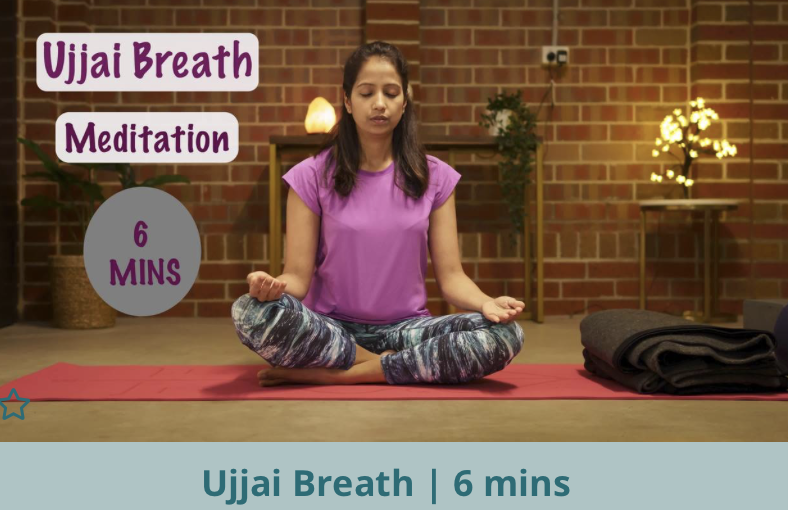
2. The longer exhale breath
Inhale through the nose for four counts, and exhale slowly for six counts (or start with the exhales slightly longer (one or two counts) than inhales). This pattern has a strong physiological calming effect. It is particularly useful between contractions, in the rest phase to help your nervous system fully recover and reset before the next wave.
3. Letting Go / Sigh Breath(Through the Contraction)
This breathing involves a slow, deep inhale through the nose and a long, sighing exhale (mouth open 'Ha' sound) out through the mouth. The exhale is deliberately slow and releasing, imagine fogging a mirror with Ha breath. The emphasis is on the out-breath as a release of tension. Many mamas use a visualisation alongside this — with each out breath they are letting go of tension, unwanted thoughts, anxiety away from the body. This is one of the most effective breathing techniques for birth/challenging moments in labour because it supports your body/contractions that helps the body do its birth magic.
4. Bees Humming Breath (For Labour Intensity)
During the intense phase of active labour, some mamas find bees humming breath helpful. This involves creating a soft humming sound on exhale with lips sealed. This practice steadies the mind and emotions, helps women focus on the sound while riding the waves of contraction, releases jaw tension (which is directly connected to pelvic tension), discharges built-up energy. From 20 weeks the baby in the womb can hear mum's voice. Sound practice can be a way for mums and babies to connect as this is very nourishing/calming for the nervous system.
How to Build a Birth Breathing Practice Before Labour
The key is repetition and embodiment — these techniques need to live in your body, not just your mind. Here's how to build your practice:
- Practise for five to ten minutes each morning or evening from around 30 weeks
- Use ujjayi breath during your prenatal yoga sessions
- Try Sigh/humming breath during moments of discomfort (even Braxton Hicks contractions are good practice)
- Teach your birth partner your chosen technique so they can breathe with you or gently cue you during labour
Your Breath Is Always With You
No matter what your birth looks like — whether it unfolds as planned or takes unexpected turns — your breath is the one tool that is always available to you. Inside the Mother'z Yoga membership, there's a full birth preparation module with guided pregnancy labour breathing Australia-style sessions, including dedicated breathwork classes and third trimester yoga flows. Try it free for 7 days and start practising now.
www.motherzyoga.com/premium
Frequently Asked Questions
Does breathing really help with labour pain?
Yoga and mindful breathing techniques can reduce the perception of pain and help manage the stress response during labour — but they won't eliminate pain entirely. They are most effective as part of a broader birth preparation approach that may also include movement, support, and professional guidance.
When should I start practising labour breathing?
The earlier the better — from around 25 to 30 weeks is ideal, giving you time to really embed the techniques. But beginning even in the final few weeks can be beneficial.
Can my birth partner use these techniques too?
Yes! Having your partner practise alongside you so they can breathe with you during labour — or gently cue you back to your breath when intensity rises — is incredibly helpful.
Is yoga breathing safe during labour?
Slow, conscious breathing is safe during labour for most women. Always discuss your birth preferences and any specific breathing techniques with your midwife or obstetrician beforehand.
Always consult your healthcare provider or midwife before starting any new exercise during pregnancy or postnatally.
Interested in learning more tools and techniques for birth and labour? Join our YOGA FOR BIRTH In-person Workshop in Melbourne.
Ready to Experience the Benefits of Prenatal Yoga?
Don't wait—start your journey with Mother'z Yoga today! Sign up now for a 7-day free trial and discover how our online prenatal yoga program can help you stay strong, calm, and connected throughout your pregnancy.
