
Gentle Yoga Poses to Ease Pelvic Girdle Pain in the Second Trimester
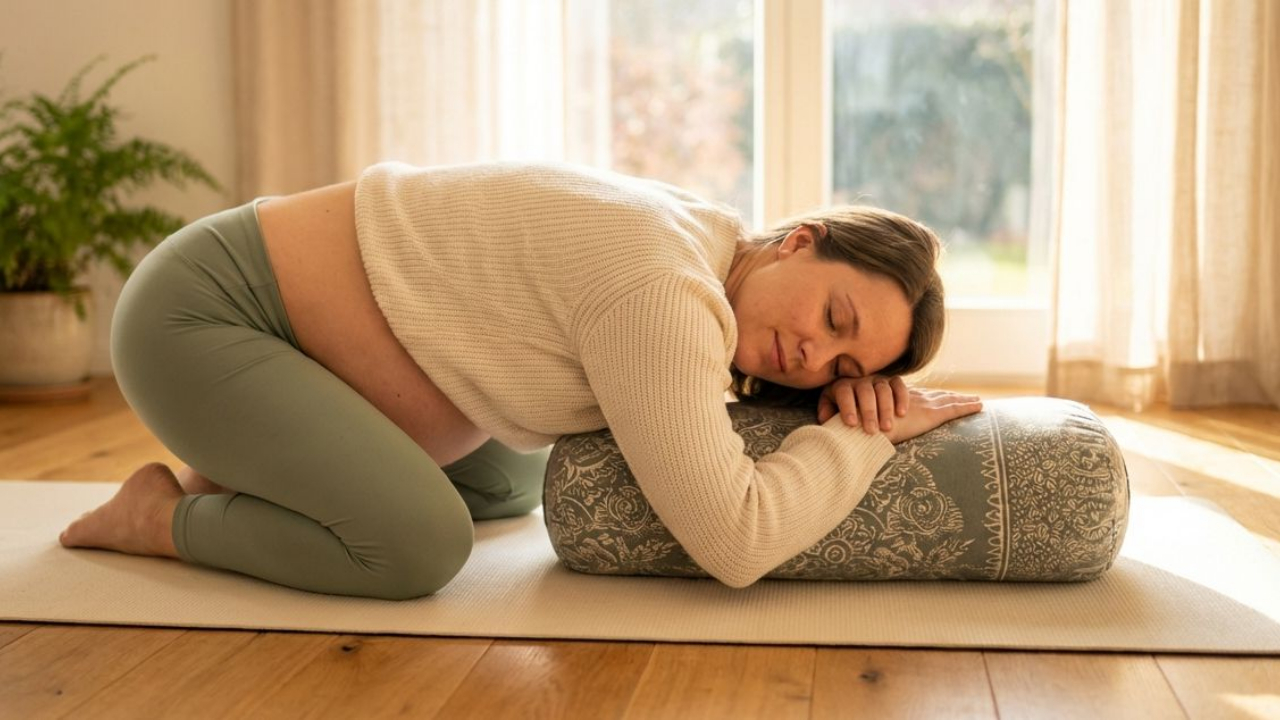
Gentle Yoga Poses to Ease Pelvic Girdle Pain in the Second Trimester
Hi there, beautiful mama. If you've found your way here, chances are you're dealing with that deep, achy, sometimes sharp discomfort in your pelvis, hips, or lower back — and you're wondering whether yoga for pelvic girdle pain in pregnancy might help. First of all, I want you to know: you're not imagining it. Pelvic girdle pain (PGP) is incredibly common in pregnancy, and it can make even the simplest things — rolling over in bed, walking up stairs, getting out of the car — feel exhausting and painful.
I remember many of the mamas in our community describing that same feeling of frustration: wanting to stay active, wanting to feel good in their bodies during pregnancy, but being stopped in their tracks by this persistent pelvic discomfort. It can feel so isolating.
The good news? Gentle, mindful movement — including PGP pregnancy yoga — can be a wonderful support alongside professional care. In this post, I'll share what PGP actually is, which yoga poses may help ease the discomfort in your second trimester, and what to be mindful of so you can move with confidence.
Important note before we begin: always check in with your midwife, obstetrician, or a women's health physiotherapist before starting or modifying any exercise routine during pregnancy. This post is for general informational purposes only and is not a substitute for personalised medical advice.
What Is Pelvic Girdle Pain and Why Does It Happen?
Pelvic girdle pain is an umbrella term for pain around the pelvic joints — particularly the sacroiliac joints at the back of the pelvis and the pubic symphysis at the front. You might also hear it referred to as SPD (symphysis pubis dysfunction) or simply pregnancy pelvic pain.
During pregnancy, your body releases a hormone called relaxin, which softens and loosens the ligaments around your pelvis to help prepare for birth. This is a completely natural and beautiful process — but for some mamas, those looser ligaments can lead to instability in the pelvis, which causes pain. Second trimester hip pain is particularly common as your bump grows and your centre of gravity shifts.
Symptoms can range from a mild ache to more significant pain in the hips, groin, lower back, or inner thighs. Some mamas also notice a clicking or grinding sensation. It can affect one side or both.
Is Yoga Safe for Pelvic Girdle Pain in Pregnancy?
This is such an important question, and the honest answer is: it depends. Not all yoga is created equal when it comes to PGP. Some poses and movements — particularly wide-legged stances, deep squats, or anything that loads the pelvis asymmetrically — can actually make PGP worse.
However, gentle, supported, symmetrical movement can be very helpful for many mamas. PGP pregnancy yoga focuses on stabilising the pelvis, releasing tension in the surrounding muscles, and helping your body find more ease and comfort. The key word here is supported — props like bolsters, blocks, and blankets are your best friends.
Please do see a women's health physiotherapist before beginning any yoga practice for PGP. They can assess your specific presentation and give you personalised guidance. Many of our Mother'z Yoga community mamas in Australia find that combining physio assessment with a supported prenatal yoga practice works beautifully together.
Gentle Yoga Poses That May Help Ease PGP
These poses are gentle, supported, and designed with pregnancy pelvic pain relief in mind. Always move slowly, listen to your body, and stop if anything feels uncomfortable or painful.
1. Supported Child's Pose (Balasana with Props)
Place a bolster or folded blankets lengthways on your mat. Come to kneel, bring your knees only as wide as is comfortable (not wide apart — keep them closer together for PGP), and lower your chest and belly onto the bolster. Rest your forehead and arms forward. This gentle forward fold can release tension in the lower back and hips without stressing the pelvis.
2. Cat-Cow on All Fours
Come to all fours with your wrists under your shoulders and knees under your hips. On an inhale, let your belly drop and gently lift your gaze (cow). On an exhale, round your spine upward (cat). Move slowly and with your breath. Keep your movements small and symmetrical — avoid any side-to-side rocking with PGP.
3. Supported Supine Butterfly (with Block or Bolster Under Knees)
Lie on your back (if comfortable for your stage of pregnancy, or prop yourself at an incline with a bolster). Bring the soles of your feet together and let your knees fall gently outward. Place folded blankets or blocks under each knee so your hips and inner thighs don't have to work to hold the position. This is a passive release — let gravity and the props do the work.
4. Standing Wall Support
Stand with your back against a wall, feet hip-width apart (no wider). Bend your knees slightly and feel the wall supporting your spine. Take slow, deep breaths here. This can be wonderfully grounding when your pelvis feels unstable, as the wall provides external support.
5. Legs Up the Wall (Viparita Karani, Modified)
Sit sideways next to a wall and gently swing your legs up. Keep your legs close together (or place a block or pillow between your knees for support). This gentle inversion helps ease fluid retention in the legs and gives the pelvis a complete rest. Use a folded blanket under your hips for additional support. Note: if you're past 28 weeks, check with your care provider about lying on your back.
What to Avoid When You Have PGP
This is just as important as knowing what to do. When practising yoga for pelvic girdle pain in pregnancy, please be mindful to avoid:
- Wide-legged poses — warrior II, goddess pose, or any stance with legs more than hip-width apart can increase strain on the pubic symphysis.
- Asymmetrical weight-bearing — lunges, tree pose on one leg, or standing poses where weight is unevenly distributed.
- Deep unsupported squats — these can place significant load on an unstable pelvis.
- Any movement that causes pain — this is your body communicating clearly. Always honour that signal.
- Rushing transitions — move slowly between poses, especially when getting up from the floor.
A good rule of thumb: if a movement requires you to hold your breath, grip tightly, or causes any pain at or near the pubic bone or sacroiliac joints, skip it for now.
How Mother'z Yoga Can Support You
I created Mother'z Yoga because I wanted every mama to have access to safe, nurturing, expert-guided prenatal yoga — no matter where in Australia (or the world) you are. Our online library includes prenatal yoga sequences that are specifically designed with modifications for common pregnancy discomforts, including second trimester hip pain and pelvic girdle pain.
Our classes are taught with props, offered at a gentle pace, and always include reminders to listen to your body and check in with your care team. You're never pushed — you're supported.
If you'd like to experience this for yourself, I'd love to invite you to try our [LINK: 7-day free trial]. You'll get full access to our pregnancy yoga library, including supported prenatal flows that work beautifully alongside your physiotherapy care. There's no pressure and no commitment — just gentle movement made with love for you and your growing baby.
Frequently Asked Questions
Can yoga make pelvic girdle pain worse?
Yes, it can — if the wrong poses are practised. Wide-legged stances, deep squats, and asymmetrical movements can aggravate PGP. That's why it's so important to practise PGP-specific prenatal yoga with guidance, and to always get clearance from a women's health physio first.
What is the difference between PGP and SPD?
SPD (symphysis pubis dysfunction) refers specifically to pain at the pubic symphysis joint at the front of the pelvis. PGP is a broader term that includes pain at any of the pelvic joints, including the sacroiliac joints at the back. Both are common in pregnancy and often managed with similar approaches — physio, gentle supported movement, and activity modification.
When should I see a doctor about pelvic girdle pain?
Always speak to your midwife or obstetrician if you're experiencing pelvic pain in pregnancy — especially if it's severe, sudden, or accompanied by other symptoms. A referral to a women's health physiotherapist is often the most helpful next step for PGP management. Please don't rely solely on yoga or self-management without professional assessment.
Can I do yoga if I have SPD in Australia?
Many Australian mamas with SPD find that gentle, supported prenatal yoga helps ease discomfort when practised alongside physiotherapy care. Look for classes specifically designed for pregnancy that offer modifications for SPD yoga, and always let your instructor know about your condition. Our Mother'z Yoga classes are designed with exactly this in mind.
How far into pregnancy does pelvic girdle pain usually start?
PGP most commonly begins in the second trimester as your bump grows and your pelvis experiences more load — though it can start earlier or later. For some mamas it eases as pregnancy progresses; for others it continues into the third trimester or postnatally. With the right support, most mamas manage it well.
Sending you so much love, beautiful mama. You're doing an incredible job navigating all the changes in your body — and reaching out for support and information is such a wise and caring thing to do for yourself and your baby. 💛
Always consult your healthcare provider or midwife before starting any new exercise during pregnancy or postnatally.
Ready to Experience the Benefits of Prenatal Yoga?
Don't wait—start your journey with Mother'z Yoga today! Sign up now for a 7-day free trial and discover how our online prenatal yoga program can help you stay strong, calm, and connected throughout your pregnancy.
