
Is Yoga Safe in the First Trimester? What Australian Mums Need to Know
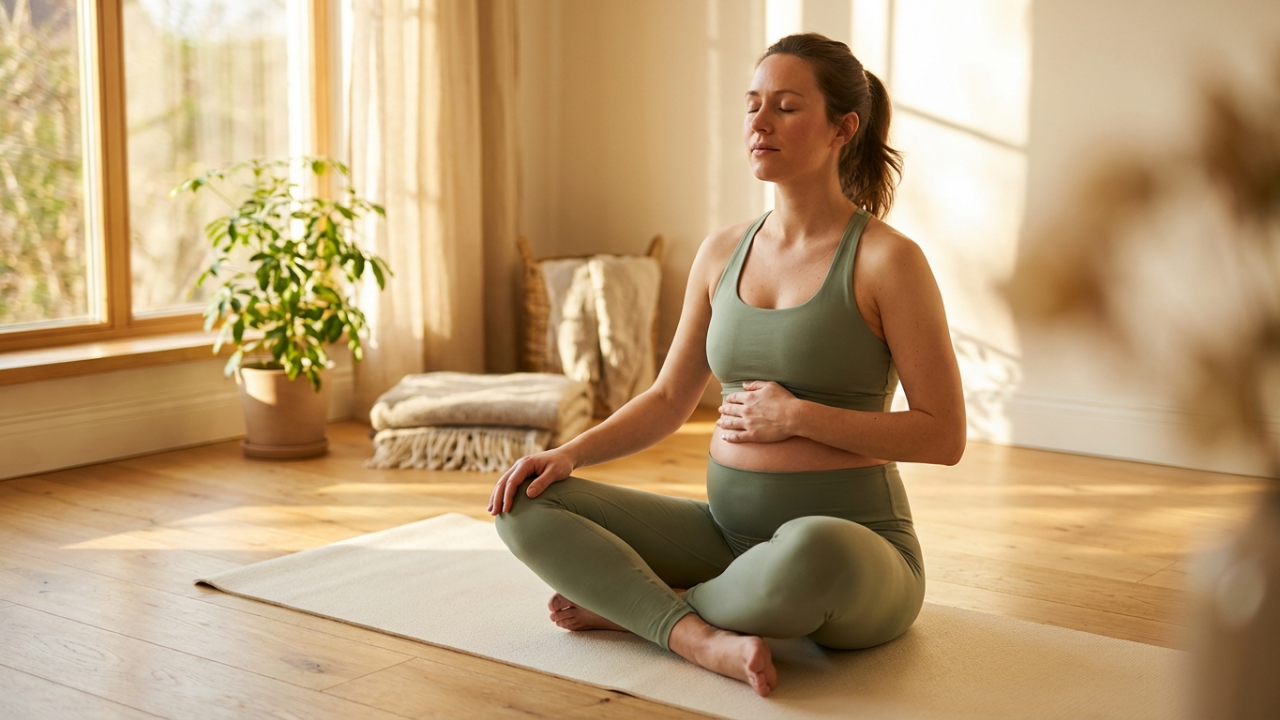
Hey lovely mums-to-be — first of all, congratulations! Those first few weeks of pregnancy are such a whirlwind, aren't they? You're over the moon with excitement, but also possibly exhausted, nauseous, and googling absolutely everything at 2am.
One of the questions I hear most from Australian mums in their first trimester is: is yoga safe in the first trimester? It's such a valid thing to wonder. Your body is going through enormous changes, and you want to do everything right for your growing baby.
I'm Ragini, founder of Mother'z Yoga, and I've supported hundreds of mums through pregnancy — and I want to give you honest, reassuring guidance on this. As always, please check in with your doctor, midwife, or physio before starting any new exercise program, since every pregnancy is unique.
Is Yoga Safe in the First Trimester? The Short Answer
For most healthy pregnancies, yes — gentle yoga is considered safe in the first trimester. Many Australian healthcare providers actually encourage light movement in early pregnancy because it can ease common discomforts, support mental wellbeing, and help you tune into your changing body.
That said, the first trimester is a time to move with extra care and mindfulness. Prenatal yoga safety in the first trimester is all about choosing the right style of practice — think gentle, restorative, and breath-focused rather than hot, vigorous, or acrobatic.
Benefits of Yoga in Your First Trimester
Even if you're feeling green around the gills, gentle movement can genuinely help. Here's what many mums notice when they start a safe, pregnancy-appropriate practice early:
- Reduced nausea and fatigue — slow, mindful movement and deep breathing can calm your nervous system and ease that queasy feeling.
- Less anxiety — first trimester worries are so real. Yoga gives you a dedicated space to breathe, ground yourself, and connect with your baby.
- Better sleep — gentle stretching before bed can ease tension and help you wind down.
- Stronger foundation for later pregnancy — building body awareness and pelvic floor connection now pays dividends in the second and third trimesters.
- Community and support — practising with other pregnant mums (even online!) reminds you that you're not alone in this.
What to Avoid: Yoga Poses and Practices Not Recommended in the First Trimester
Safe exercise in pregnancy first trimester comes down to knowing what to steer clear of. Here's a simple guide:
- Hot yoga or Bikram yoga — overheating is a risk in early pregnancy, so avoid any heated classes entirely.
- Deep twists and intense core work — strong twisting can compress your uterus and abdomen. Opt for open, gentle rotations instead.
- Lying flat on your back for extended periods — especially as you progress through the trimester; a slight incline or side-lying is preferable.
- Inversions and strong balance poses — your centre of gravity is already shifting, so this isn't the time to challenge your balance dramatically.
- Breath retentions (kumbhaka) — avoid holding your breath at any point; keep breathing freely throughout your practice.
- High-impact or fast-paced flows — vigorous vinyasa or power yoga isn't ideal in early pregnancy.
When in doubt, less is always more in the first trimester. Listen to your body — it's extraordinarily wise right now.
How to Modify Your Yoga Practice for Early Pregnancy
Yoga modifications in the first trimester don't have to feel restrictive — think of them as a loving adjustment. A few simple shifts make a big difference:
- Use props freely: bolsters, blocks, blankets, and a wall are your best friends.
- Widen your stance in standing poses to make room for your belly (even if it's not showing yet — internally, a lot is happening!).
- Replace deep twists with gentle side stretches and open-chest movements.
- Shorten your practice time if needed — even 15–20 minutes of mindful movement is genuinely beneficial.
- Follow along with a prenatal-specific class rather than adapting a general yoga class yourself; this takes the guesswork out of modifications.
Signs You Should Stop and Check With Your Care Provider
Your safety is always the priority. Please stop your practice and speak with your doctor, midwife, or physio if you experience any of the following:
- Vaginal bleeding or spotting
- Dizziness, faintness, or shortness of breath
- Chest pain or heart palpitations
- Abdominal cramping or pain
- A feeling that something is "not right"
Trust your instincts. If something doesn't feel good, honour that. First trimester yoga Australia-wide looks different for every mum, so your care team is always the best source of personalised advice.
Why Prenatal-Specific Yoga Is Worth It
General yoga classes — even wonderful ones — aren't designed with pregnancy in mind. A teacher who isn't trained in prenatal yoga may cue poses that are fine for non-pregnant students but not ideal for you right now. That's not their fault; pregnancy is simply a specialised area.
With prenatal yoga, every single pose, cue, and breath has been chosen with your changing body in mind. You never have to second-guess whether something is safe. You can just be — in your body, with your baby, without worry.
Ready to Start? Try a Free Gentle First Trimester Sequence
If you've been wondering whether yoga is safe in your first trimester and you're feeling ready to give it a try, I'd love to welcome you to Mother'z Yoga. Our program has been designed specifically for pregnant and postnatal Australian mums — gentle, safe, and deeply supportive from the very beginning.
Start with our free 7-day trial and see how it feels. There's no pressure, no rush — just you, your mat, and a community of mums who totally get it. Click here to start your free 7-day trial and take your first gentle step together.
Frequently Asked Questions
Can I do yoga in the first trimester if I've never exercised before?
Absolutely — and the first trimester can actually be a wonderful time to start a gentle movement practice, even if you're brand new to yoga. Just begin slowly, choose a prenatal-specific class, and let your body guide the pace. Always let your care provider know you're starting a new exercise routine.
Which trimester is safest to start yoga?
Many mums find the second trimester the most comfortable time to start, as nausea often eases and energy returns. However, gentle prenatal yoga is considered safe from the first trimester onward for most healthy pregnancies. The most important thing is choosing a practice specifically designed for pregnancy.
Is hot yoga safe during pregnancy?
No — hot yoga and Bikram yoga are not recommended during pregnancy. Overheating (hyperthermia) poses risks to your baby, particularly in the first trimester when organ development is happening rapidly. Stick to room-temperature or even cool, well-ventilated spaces for your practice.
Can yoga cause a miscarriage?
This is such a common worry, and it's completely understandable to ask. For the vast majority of pregnancies, gentle prenatal yoga does not cause miscarriage. Most early pregnancy losses are related to chromosomal factors rather than physical activity. That said, always follow your care provider's guidance — especially if you have a history of pregnancy complications or have been told to rest.
Ready to Experience the Benefits of Prenatal Yoga?
Don't wait—start your journey with Mother'z Yoga today! Sign up now for a 7-day free trial and discover how our online prenatal yoga program can help you stay strong, calm, and connected throughout your pregnancy.
